How to Choose Pet Backlit Film for Global Buyers?
Choosing the right Pet Backlit Film can influence image brightness, color stability, installation time, and long-term advertising results. Global buyers often compare price first, yet that approach can create hidden costs. A film that looks bright in a sample may appear dull inside a deep light box. Ambient light, viewing distance, printer settings, and lamp spacing all matter.
Experienced buyers usually examine film thickness, surface treatment, ink compatibility, light diffusion, and roll consistency. For solvent, eco-solvent, UV, or latex printing, the coating must match the printer and drying process. Ask suppliers for technical data sheets, sample rolls, test images, and production records. A reliable manufacturer should explain tolerance ranges clearly, not only promote maximum brightness. Small details matter. Check winding quality, edge cleanliness, packaging strength, and moisture protection during overseas shipping.
Global projects also require practical verification. Test the Pet Backlit Film with the actual light source, ink system, and display structure before placing a large order. Review available quality certifications and confirm whether documents are current and traceable. Regional climate can affect storage, adhesion, and film handling. This guide is not a perfect formula. Even experienced teams can overlook installation conditions or transportation delays. Careful buyers record test results, compare suppliers honestly, and leave room for improvement. The best choice balances visual performance, dependable supply, compliance needs, and total project cost.
Understanding PET Backlit Film and Its Main Applications
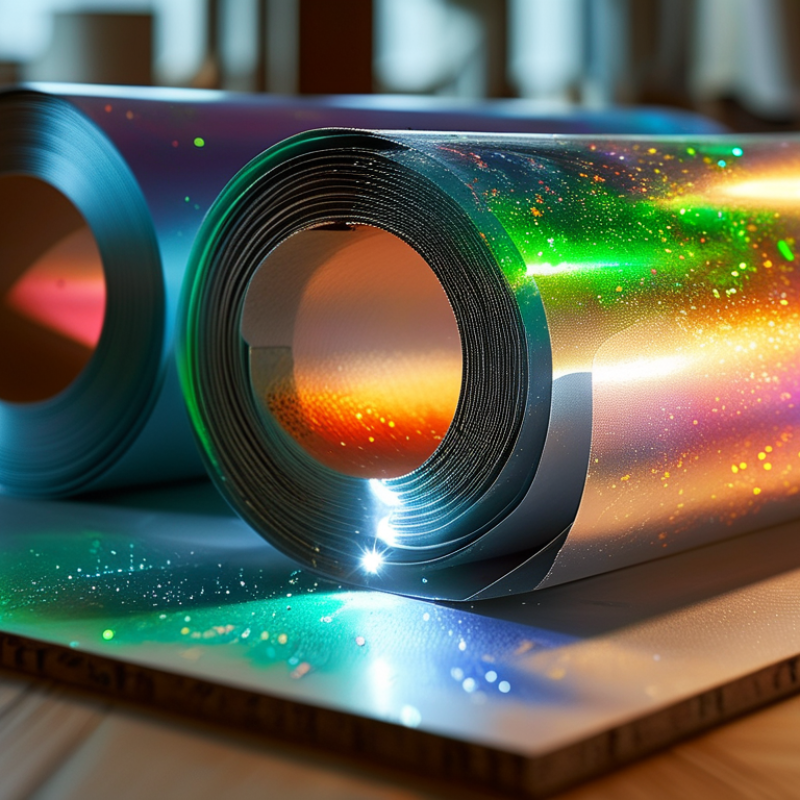
PET backlit filmis a transparent polyester sheet designed to diffuse light behind printed graphics. Its value comes from controlled light transmission, dimensional stability, and smooth image reproduction. Unlike ordinary poster paper, Pet Film resists curling when exposed to heat from LED modules. However, clarity varies widely. A film can look bright in a sample box but appear uneven in a large display.
Its main applications include retail lightboxes, airport advertising panels, exhibition walls, menu displays, and indoor directional signs. Grand View Research valued the global digital signage market at about USD 27.1 billion in 2023, showing strong demand for illuminated visual communication. Smithers also identifies printed signage as an evolving market, supported by shorter production runs and customized graphics. These trends make PET backlit film useful for global buyers managing different display sizes and replacement schedules.
Choosing the right grade requires more than checking thickness. Compare light diffusion, ink compatibility, whiteness, surface finish, roll width, and heat resistance. For front-lit and back-lit viewing, the same film may produce different color results. Ask for a printed test under the intended LED temperature. Outdoor projects require additional checks for moisture, ultraviolet exposure, and edge sealing. Indoor retail displays usually need less protection, but frequent handling still matters. A lower-cost film may save money initially and waste it through banding, poor adhesion, or difficult installation. No specification is perfect. Test results can also change with printer settings, ink type, and viewing distance.
Identifying Key Specifications for Different Display Requirements
How to Choose Pet Backlit Film for Global Buyers?
Display requirements should guide every PET backlit film decision. A storefront lightbox needs different performance from an indoor retail panel. Start with light transmission, haze, whiteness, thickness, and surface treatment. High transmission improves brightness, but excessive gloss can create reflections. A matte surface often suits displays viewed under strong ceiling lights.
For illuminated graphics, ask suppliers for measured transmission data, not general claims. ASTM D1003 testing can verify haze and luminous transmittance. Film thickness commonly ranges from 150 to 250 microns, depending on installation size and handling needs. Thicker film resists curling better. However, it may require stronger cutting and mounting equipment. This detail is easy to overlook.
The global digital signage market shows why specifications are becoming more demanding. Grand View Research valued the market at about USD 27.1 billion in 2022 and forecast an 8.1% CAGR from 2023 to 2030. MarketsandMarkets published a different estimate, showing measurement methods can vary. Buyers should compare test conditions carefully. For outdoor displays, request accelerated weathering data based on ISO 4892-3. Check UV stability, temperature resistance, roll flatness, and ink adhesion. A film may look excellent indoors, then curl beside a sunny window. I have seen this happen. Also confirm printer compatibility, maximum roll width, and color consistency between batches. A small sample test remains necessary before global purchasing.
Comparing Film Materials, Surface Finishes, and Image Quality
How to Choose Pet Backlit Film for Global Buyers?
PET backlit film offers stable dimensions, clear printing, and dependable handling during installation. Its polyester base resists stretching better than many ordinary plastic films. This matters when a lightbox panel changes temperature during shipping or display. Check the film’s thickness, coating adhesion, and compatibility with your printer before ordering large volumes. A technically suitable film can still fail if the ink dries unevenly.
Surface finish changes both appearance and usability. Glossy film produces stronger color depth and sharper highlights under controlled lighting. It can also reveal fingerprints, dust, and harsh reflections. Matte film reduces glare in shops, airports, and bright exhibition halls. However, excessive matte texture may soften fine text and small product details. Satin finishes can provide a practical compromise, but results vary between coating systems.
Image quality depends on more than resolution. A well-diffusing film should spread light evenly, without bright edges or cloudy patches. Test skin tones, deep blacks, gradients, and small lettering inside the actual lightbox. Viewing distance matters. A close-up display needs finer detail than a large sign seen from several meters away. Global buyers should also test humidity, curling, ink adhesion, and color stability. No film wins every application. Some specifications remain incomplete until real installation exposes them.
Evaluating Printing Compatibility, Durability, and Environmental Performance
How to Choose Pet Backlit Film for Global Buyers?
Evaluating Printing Compatibility, Durability, and Environmental Performance
PET backlit film should match the printer, ink, and lighting system. Polyethylene terephthalate provides a stable base, but its coating determines print quality. Request a technical data sheet before ordering. Check ink adhesion, drying time, color density, and scratch resistance. A small test print can reveal banding, curling, or uneven white layers. Do not rely only on a supplier’s sample. Your own printer may behave differently.
Durability matters in airports, retail windows, and outdoor sign boxes. Compare film thickness, tensile strength, humidity resistance, and heat tolerance. A good film should remain flat after repeated temperature changes. Inspect the edges after trimming. Weak edges may split during installation. Light stability also deserves attention, especially under continuous LED exposure. Test a printed panel for several weeks when possible. Short tests are useful, but not perfect.
Environmental performance requires more than a “green” claim. Ask about recycled PET content, recyclable structure, solvent levels, and manufacturing waste. Check whether the film can be collected through local recycling systems. Availability differs between countries. Request independent test reports and relevant compliance documents for your market. Some data may be incomplete. That is a reason to investigate further, not ignore the product. A practical choice balances clear printing, reliable service life, and a realistic end-of-use plan.
Selecting Reliable Suppliers for Global Purchasing and Shipping
Choosing PET backlit film for global purchasing requires more than comparing price per roll. The supplier must prove consistent light transmission, thickness, width, surface haze, and winding quality. Request samples from different production batches. Test them in your actual lightbox, not only under office lighting. Small defects become obvious after illumination.
A reliable supplier should provide a technical data sheet, batch number, certificate of analysis, packing photographs, and pre-shipment inspection records. Ask how the film is protected against moisture, dust, edge damage, and deformation during long transit. UNCTAD reports that maritime shipping carries over 80% of global merchandise trade by volume. Strong export packing is therefore essential, especially for humid sea routes. Confirm the roll core, carton strength, pallet design, and shipping marks before payment.
Shipping performance also deserves measurable review. The World Bank’s 2023 Logistics Performance Index assessed 139 economies across customs, infrastructure, tracking, and timeliness. Ask suppliers for shipment histories and realistic lead times, rather than attractive promises. Clarify Incoterms, document responsibility, insurance, and destination requirements in writing. A supplier that answers slowly before the order may create larger problems afterward. I would still avoid relying on one inspection alone; production can change unexpectedly. Keep a retained sample, approve a golden sample, and record every agreed specification. Be careful with the cheapest quotation.
