
How to Choose the Right Water Jet Pressure for Your Needs?

Choosing the right Water Jet Pressure is essential for effective cleaning and cutting tasks. With various applications, the water jet pressure can greatly influence the outcome. The right pressure ensures efficiency while avoiding damage to surfaces. This choice depends on several factors including material type, cleanliness level, and job requirements.

Understanding water jet pressure is vital. Too high of a pressure can cause harm. Conversely, too low of a pressure may not achieve desired results. Users need to assess their specific needs, from industrial cleaning to delicate tasks. Each application has its own optimal pressure range. It’s crucial to experiment to find the perfect fit.

Choosing water jet pressure demands careful consideration. Users should review information from reputable sources and consult with experts. Hands-on experience is invaluable for mastering the right levels. Reflecting on past mistakes can also guide better decisions in the future.
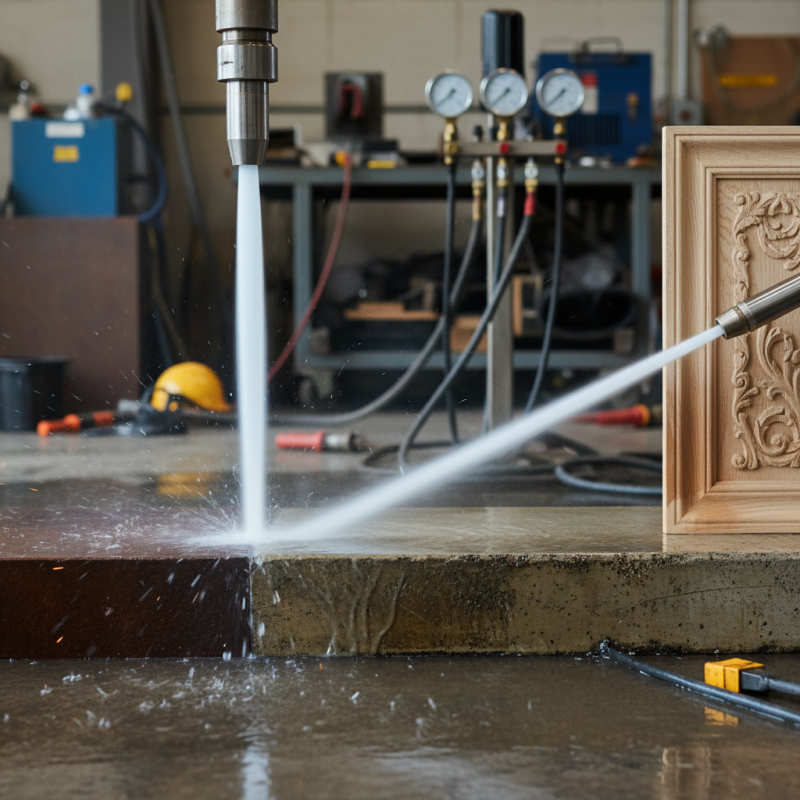
How to Choose the Right Water Jet Pressure for Your Needs?

Understanding the Basics of Water Jet Pressure

Water jet pressure is crucial for various applications, from cleaning to cutting. Understanding the basics helps users select the right pressure. Treatments vary, and the wrong choice can lead to damage or ineffective results. A pressure range between 1,000 to 4,000 psi is often recommended for general purposes. However, this guideline may not apply to every situation.

Consider the material you work with. Softer materials, such as wood or foam, require lower pressure. Higher pressures can cause unwanted damage. Conversely, tougher materials like concrete or metal need increased pressure for effective results. It’s important to test different levels to find what works best. Remember that experience brings insights, and initial mistakes can teach valuable lessons.

The distance of the nozzle also impacts effectiveness. A closer distance increases pressure impact, while moving it further reduces effectiveness. Balancing pressure and distance is an art that improves with practice. Some users might hesitate, fearing mistakes. But experimentation is essential for mastering water jet applications.

How to Choose the Right Water Jet Pressure for Your Needs?

Application Recommended Pressure (PSI) Recommended Nozzle Size Typical Uses
Light Cleaning 1000 - 1500 PSI 0.3 - 0.5 inches Patio furniture, cars, bicycles
Medium Cleaning 1500 - 2500 PSI 0.4 - 0.6 inches Driveways, decks, walls
Heavy Cleaning 2500 - 4000 PSI 0.5 - 0.8 inches Graffiti removal, industrial surfaces
Surface Preparation 4000 - 7000 PSI 0.6 - 1.0 inches Paint stripping, metal prep
Severe Cleaning 7000 - 30000 PSI 1.0 inches and above Waterjet cutting, tough material removal

Factors Influencing the Choice of Water Jet Pressure

When selecting water jet pressure, several factors come into play. The material being cut or cleaned is critical. Softer materials like wood require lower pressures, typically around 20,000 PSI. In contrast, tougher materials like metals may necessitate pressures over 50,000 PSI. A recent industry report highlights that over 70% of professionals believe choosing the correct pressure directly impacts efficiency and precision.

Additional aspects include the nozzle size and type. Smaller nozzles generate higher jet speeds but may limit the cutting width. Conversely, larger nozzles can increase the cutting area but reduce force. According to research, an optimal nozzle size can improve performance by up to 30% in some applications. Experts suggest careful calibration based on job requirements.

Additionally, the application type also influences pressure selection. For detailed engraving, lower pressure is advisable to avoid material damage. However, heavy-duty tasks like removing concrete may require much higher pressure. Many operators find it's a balance between reducing material waste and achieving desired outcomes. Each situation demands a tailored approach, ensuring both effectiveness and safety.

Water Jet Pressure Selection: Bar Chart of Influencing Factors

Assessing Your Cleaning or Cutting Needs

Choosing the right water jet pressure depends heavily on your specific cleaning or cutting needs. Each application has distinct requirements. For instance, a high-pressure water jet may be ideal for cutting through tough materials like metal or concrete. However, it can damage delicate surfaces like glass or softwood.

When assessing your needs, consider the materials you’ll be working with. Softer materials require less pressure and a wider nozzle. This reduces the risk of unwanted damage. In contrast, heavy-duty applications need pinpoint precision. Too much pressure can lead to unintended outcomes.

Additionally, evaluating the environment is crucial. Wet conditions can affect the effectiveness of lower pressures. Outdoors versus indoors also impacts how pressure interacts with surfaces. Testing different pressures on scrap materials can provide clarity. This trial-and-error approach is often overlooked but can yield valuable insights. Using improper pressure can harm your equipment, leading to costly repairs. Reflecting on the specific context of your tasks will guide you toward the right choice.

Comparing Different Types of Water Jet Pressure Systems

When it comes to selecting a water jet pressure system, understanding different types is crucial. There are three main categories: high-pressure, ultra-high-pressure, and low-pressure systems. Each serves a unique purpose and is tailored to specific tasks.

High-pressure systems are commonly used for cleaning and surface preparation. They can remove tough grime effectively. Ultra-high-pressure systems, on the other hand, cut through materials but require careful handling due to their power.

Low-pressure systems are ideal for gentle tasks, like rinsing delicate surfaces. Choosing the correct type depends on your specific needs. For example, using an ultra-high-pressure system on a fragile surface can cause damage.

The right pressure can save time and ensure efficiency.
It’s also essential to consider additional factors such as water flow rate and nozzle types. A narrow nozzle increases pressure but reduces coverage area. Adjusting these elements can lead to better results. However, overthinking your options may lead to indecision.

Experimenting with different systems can reveal unexpected benefits. Understanding the strengths and weaknesses of each type will ultimately guide you in making the best choice.

Safety Considerations When Using Water Jet Pressure

When using water jet pressure, safety is paramount. High-pressure water can cause serious injuries if not handled properly. Always wear protective gear, such as goggles and gloves. These items can shield you from flying debris and water splashes. Check the area for bystanders before starting any job.

Tips for ensuring safety include inspecting your equipment before use. Ensure hoses are intact without leaks. A damaged hose can burst under pressure, leading to accidents. Keep a safe distance from surfaces you’re cleaning or cutting. Each time you operate a water jet, remind yourself of the potential risks.

Watch the pressure settings closely, particularly for delicate surfaces. Too much pressure can damage the material you’re working on. Take a moment to adjust the pressure level as needed. Recognizing when to dial it back is crucial. Remember, safety and effectiveness often go hand-in-hand.