BirdBrain is part of the CreXo family of brands!
Learn MoreBirdBrain is part of the CreXo family of brands!
Learn MoreAn Oil Pumping Unit is the familiar beam-and-counterweight machine seen above many onshore wells. Its slow, steady rocking motion drives a downhole pump, lifting oil and associated fluids toward the surface. The equipment looks simple from a distance. Up close, every part has a job.
A prime mover turns the crankshaft. Counterweights help balance the load, while the walking beam transfers motion through the polished rod and sucker-rod string. Below ground, the pump’s valves open and close as the rods move. That repeated cycle draws fluid into the tubing. Small changes in stroke length, speed, or fluid level can affect production and equipment wear. The details matter.
A careful explanation should also address what the unit cannot reveal by itself. A quiet, regular stroke does not prove that a well is operating efficiently. Operators assess fluid levels, load patterns, maintenance history, and site conditions together. This introduction will examine the main components, the pumping cycle, and the practical checks that help explain performance.
A named expert quotation should be verified against a reliable interview or publication. No source was provided here, so attributing a sentence to a real specialist would risk inventing a statement. That gap is worth acknowledging.
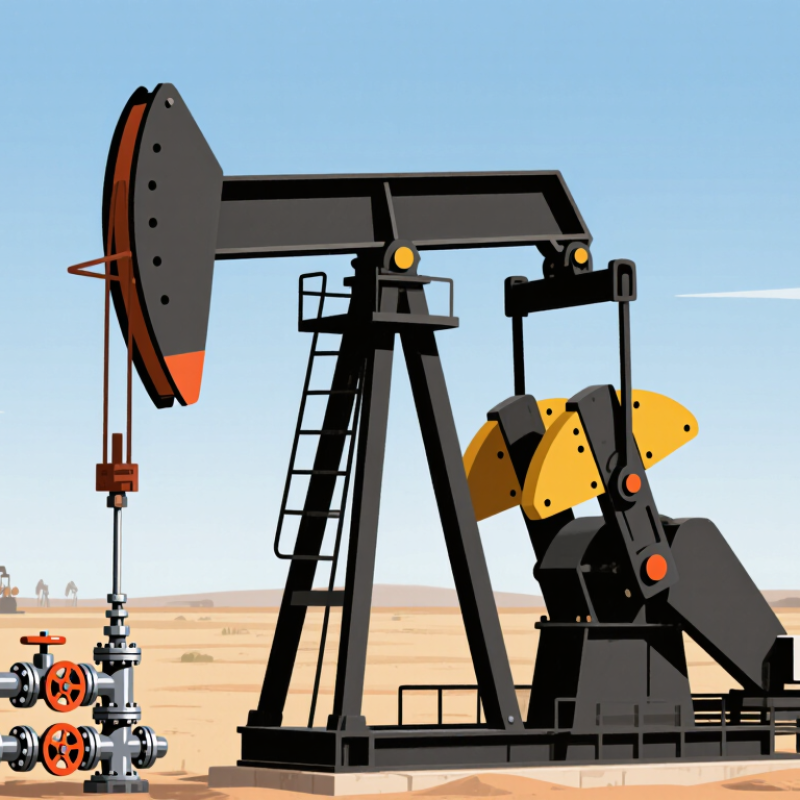
An oil pumping unit is the surface mechanism that helps lift fluids from a well. Its familiar walking beam rocks up and down, driven by a motor, gearbox, and crank system. Counterweights help balance the moving load and reduce strain on the equipment. The polished rod connects the beam to a string of sucker rods extending down the well.
As the unit moves, the rods operate a downhole pump. Valves inside that pump admit fluid on one stroke and help move it upward on the next. The fluid then travels through the production tubing toward the surface. Simple in outline. In practice, the unit’s speed and stroke need to suit the well’s output and operating conditions.
The pumping unit does not create oil; it supplies the repeated motion needed to bring produced fluids up. It also does not tell the whole story of a well’s performance. Fluid levels, pump wear, and changing production can affect how it should be operated. The description sounds tidy; field conditions rarely are. A unit that appears to move normally may still need inspection if output falls, vibration changes, or unusual noise develops.
This chart shows an illustrative polished-rod movement cycle for a conventional beam pumping unit.
A motor turns the unit’s crank, which moves the walking beam and sucker rod up and down. The reciprocating rod operates a downhole pump to lift fluid toward the surface. At six strokes per minute, one complete cycle takes about 10 seconds; the example uses a 3-meter stroke and a simplified, near-sinusoidal motion profile.
An oil pumping unit converts rotary motion into the repeated vertical movement that drives a downhole pump. The U.S. Energy Information Administration reported average crude oil production of 13.2 million barrels per day in 2024, underscoring the scale of equipment needed to keep wells producing. That figure describes national output, not the share lifted by beam pumps. The distinction matters.
At the surface, an electric motor or engine turns a gearbox. Cranks and pitman arms transfer motion to the walking beam, which rocks on a central support. The horsehead guides the polished rod’s up-and-down stroke; below it, sucker rods connect to the downhole pump. A stuffing box seals around the polished rod where it passes through the wellhead. Small parts matter. Loose connections, worn bearings, or poor alignment can waste energy and accelerate wear. API Specification 11E sets requirements for the design and rating of pumping units, including structural and load considerations. In the field, operators still need to match stroke length and speed to well conditions. A unit can look sound and perform poorly. That is worth checking, not assuming.
An oil pumping unit converts continuous rotary power into the up-and-down motion needed to operate a downhole pump. An electric motor turns a gearbox, which reduces speed and increases usable torque. The gearbox rotates a crank, and the crank’s offset pin moves a pair of pitman arms. Those arms raise and lower one end of the walking beam.
At the other end, the beam connects to a polished rod that travels through the wellhead. The rod pulls a long sucker-rod string, moving the downhole pump’s plunger through repeated strokes. During each cycle, traveling and standing valves open or close as pressure changes, helping lift fluid toward the surface. The motion is steady, but the load is not: fluid weight and rod stretch can vary along the stroke.
Counterweights on the crank help balance the moving load. They do not power the unit; they reduce the uneven torque the motor and gearbox must handle. A diagram makes this linkage look cleaner than it is in practice. Worn pins, poor alignment, or an unsuitable stroke speed can cause vibration and extra strain. Operators watch the beam, listen for unusual knocks, and check operating data. Small changes in sound can matter. The best stroke settings depend on the well, pump, and fluid conditions.
An oil pumping unit turns steady motor rotation into the repeated up-and-down motion of a downhole pump. At the surface, a gearbox turns a crank, which moves the walking beam. The beam raises and lowers the polished rod; long sucker rods carry that motion down the well. The rhythm repeats.
During the upstroke, the downhole plunger rises inside the pump barrel. Pressure below it falls, opening the standing valve and drawing well fluid into the barrel. At the same time, the traveling valve closes, supporting the fluid already above the plunger.
On the downstroke, the standing valve closes while the traveling valve opens. Fluid passes through the plunger and moves higher in the barrel. Each stroke shifts another portion upward, gradually lifting the fluid column toward the surface.
It is not a perfect, uninterrupted lift. Gas, sand, worn valves, or changing fluid levels can reduce how much oil each cycle moves. Operators may compare rod loads and fluid-level readings to spot problems, though measurements do not always reveal the whole story. A polished rod’s movement can look smooth while conditions below ground are uneven. That gap matters.
An oil pumping unit converts motor rotation into the repeated up-and-down motion of a rod string. Actual output depends on more than the unit’s rated capacity. A low fluid level can leave the pump partly unfilled on each stroke, reducing the volume lifted. Thick, cold oil moves more slowly through the pump and tubing. Gas entering the pump can compress instead of moving fluid, making strokes less effective. Small changes matter.
Surface conditions also affect performance. Long or worn rods may stretch under load, so the downhole pump travels less than the surface equipment suggests. Increasing stroke speed can raise production, but it may also increase vibration, power demand, and wear. On cold mornings, a unit may sound strained before its readings show a clear change. Operators can compare fluid levels, motor current, and polished-rod movement over time to spot developing problems. One reading rarely tells the whole story. Field measurements can be noisy, and a setting that works on one well may not suit another. Careful adjustments, followed by observation, are more dependable than chasing a single production target.
To provide the best experiences, we use cookies to store and/or access device information. Consenting to these technologies will allow us to process data such as browsing behavior or unique IDs on this site. Not consenting or withdrawing consent, may adversely affect certain features and functions.