
Top Asset Barcode Labels Types for Global Buyers?

In today's fast-paced global market, the demand for efficient asset management solutions is crucial. asset barcode labels emerge as a key tool for businesses aiming to streamline operations. Reports suggest that nearly 85% of organizations have adopted barcode technology to track inventory and assets effectively. This innovation enhances efficiency by reducing the time spent on manual data entry.

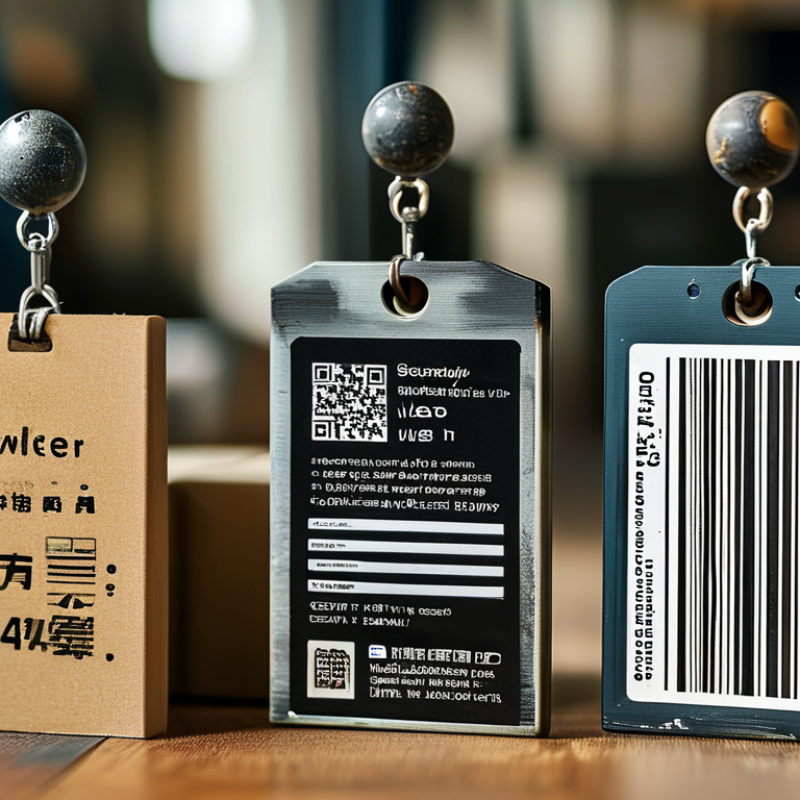
The diverse types of asset barcode labels cater to specific needs. Options include paper labels, plastic tags, and metal label solutions. Each type presents unique characteristics. For instance, durable metal asset barcode labels ensure longevity in harsh environments, while paper labels are cost-effective for temporary applications. The choice depends on industry requirements and environmental factors.

Despite the advantages, companies must consider potential challenges. Not all barcode systems integrate seamlessly with existing software, limiting effectiveness. Moreover, the quality of labels can impact scanning accuracy. Therefore, evaluating the right solutions is essential. Reliable asset barcode labels can drive productivity but also require careful selection and regular reviews to ensure optimal performance.
Top Asset Barcode Labels Types for Global Buyers?

Types of Barcode Labels Commonly Used for Assets

When it comes to managing assets, barcode labels play a crucial role. Asset barcode labels come in various types, each serving unique purposes. The most common type is the adhesive label. These labels stick directly to items, providing a straightforward method for tracking. They are ideal for both smooth and textured surfaces.

Another popular option is the hang tag. These tags are versatile and can be attached to items that cannot have a label applied directly. They often include additional information, making them useful for items requiring more details. For environments with harsher conditions, durable labels are necessary. These labels resist moisture, chemicals, and harsh weather. Their longevity ensures that asset tracking remains reliable.

In contrast, lightweight labels may not always hold up under severe conditions. This inconsistency raises questions about their effectiveness over time. Users should consider the specific needs of their assets when choosing barcode labels. An inappropriate choice can lead to tracking errors or frequent replacements. Thus, understanding the various types and their contexts can enhance asset management efficiency.

Top Asset Barcode Labels Types for Global Buyers

Key Considerations for Selecting Asset Barcode Labels

When selecting asset barcode labels, buyers face several key considerations. The durability of the labels is paramount. According to a report by Zebra Technologies, 70% of businesses have experienced issues with label performance. Labels need to withstand various environments, from humid warehouses to outdoor conditions. Choose labels that resist fading, smudging, and tearing to maintain their readability over time.

Another critical factor is the printing method. Thermal transfer labels are often preferred for their longevity. A study by the International Barcode of Life project indicates that proper label printing can increase scan accuracy by up to 25%. It’s vital to use compatible printers to ensure the best quality output.

Tips: Always request samples of the labels before making a bulk purchase. This step helps assess their suitability for your specific needs. Also, take note of the size and layout, as not all labels will fit your tracking system.

Investing in high-quality labels can mitigate future compliance issues. Remember, the lowest price does not always lead to the best value. Be cautious about choosing a vendor based solely on cost. Quality labels may save money in the long run through reduced replacements.

Best Practices for Printing and Applying Barcode Labels

When it comes to printing and applying barcode labels, attention to detail is essential. Start by selecting the right material for your labels. Durability matters, especially in harsh environments. Consider options like vinyl or polyester for long-lasting labels. Always ensure your labels are scannable at various angles. Poor label design can hinder efficiency.

Tips: Always choose a high-quality printer. Low-quality printers may produce blurry or faded barcodes. Test your labels regularly, especially after printing. This helps maintain accuracy in tracking assets. Use contrasting colors for visibility.

Applying labels correctly is just as important. Clean the surface before application. Any dust or oil can prevent adhesion. Place labels flat, ensuring they don’t crease or bubble. Misapplication can lead to operational issues. Regular audits can help you spot misaligned or damaged labels quickly. Remember, a little oversight can cause big problems.

Top Asset Barcode Labels Types for Global Buyers

Label Type Material Durability Typical Usage Recommended Printer
Polyester Labels Polyester High Outdoor Equipment Thermal Transfer Printer
Vinyl Labels Vinyl Medium Indoor/Outdoor Assets Inkjet Printer
Paper Labels Paper Low Short-term Use Laser Printer
Polypropylene Labels Polypropylene High Durable Indoor Assets Thermal Transfer Printer
Specialty Labels Varies Varying Unique Applications Custom Solutions

Top Suppliers of Asset Barcode Labels Worldwide

When considering asset barcode labels, identifying reliable suppliers is crucial for global buyers. Numerous options exist, yet not all suppliers offer the same quality and service. It's essential to assess the reputation and expertise of these suppliers. Look for those with a history of reliable product delivery and customer satisfaction.

Tips: Always request samples. Testing label durability and print quality helps ensure your selection meets your needs. You should also inquire about customization options. Suppliers that offer tailored solutions demonstrate a commitment to meeting specific client requirements.

Additionally, research industry certifications. Suppliers with professional certifications are more likely to adhere to higher standards. It’s essential to understand the supply chain dynamics, as they can impact lead times and reliability. Remember, not every supplier will fit your requirements perfectly. Continue to evaluate your choices and adjust based on evolving needs.

Future Trends in Asset Barcode Labeling Technology

The future of asset barcode labeling technology is evolving rapidly. As businesses increasingly rely on asset management systems, the need for efficient labeling solutions becomes critical. Emerging technologies, such as RFID and NFC, are enhancing the capability of traditional barcode systems. These advancements allow real-time tracking, leading to improved efficiency and accuracy in inventory management.

Additionally, the integration of cloud-based services is revolutionizing how companies store and access label data. Users can easily update information remotely, making it more flexible. This shift can empower teams to respond quickly to changes. However, the reliance on digital solutions raises concerns about data security and system reliability. Companies must address these vulnerabilities to safeguard their information.

Moreover, eco-friendly materials for barcode labels are gaining attention. As environmental concerns grow, businesses explore sustainable options. Implementing biodegradable or recyclable labels can minimize waste. However, the transition to greener materials often comes with challenges, such as cost and availability. Thoughtful consideration is needed to balance sustainability with practicality. Embracing these trends can lead to more effective asset management solutions in the future.