BirdBrain is part of the CreXo family of brands!
Learn MoreBirdBrain is part of the CreXo family of brands!
Learn MoreIn today's educational landscape, Technology Enhanced Learning (TEL) has emerged as a vital approach to teaching. According to a 2022 report by the International Society for Technology in Education, classrooms incorporating technology saw a 25% increase in student engagement. This statistic reflects the potential of TEL to transform traditional pedagogies into interactive experiences.
Implementing TEL in your classroom can be challenging. Educators need to consider technology tools that truly enhance learning. A study published by the Joan Ganz Cooney Center revealed that 85% of teachers struggle with integrating technology effectively. It's essential to select tools that align with educational goals, rather than using technology for its own sake.
Moreover, educators must remain mindful of the digital divide. Not every student has equal access to technology. Ensuring inclusivity while implementing TEL can heighten its effectiveness. Reflecting on these challenges is crucial. TEL holds promise but requires thoughtful strategies to maximize its benefits in diverse classroom settings.
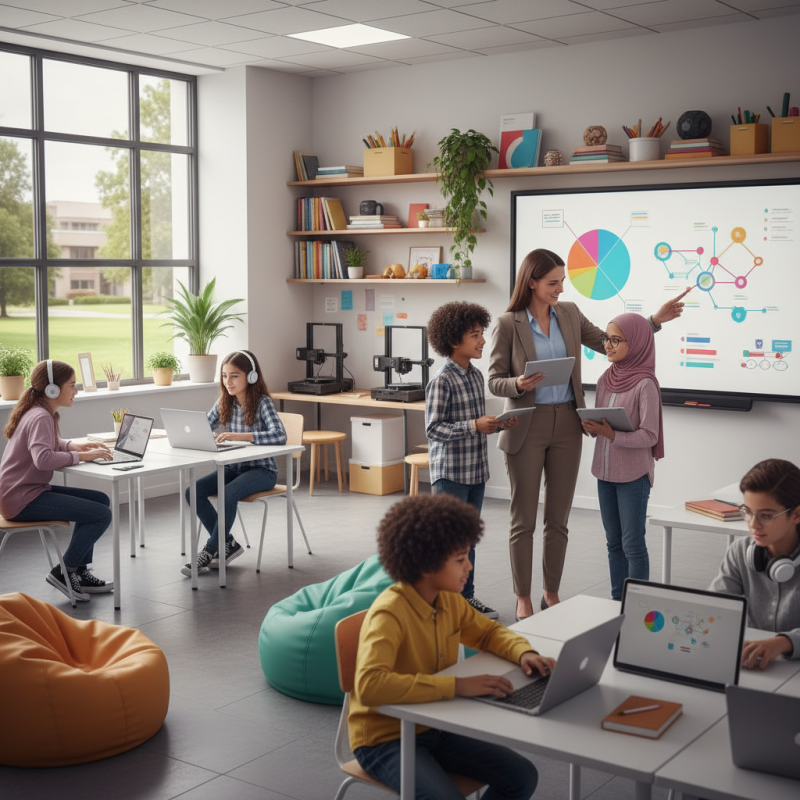
Technology Enhanced Learning (TEL) leverages digital tools to improve learning outcomes. Research shows that integrating technology can boost engagement by 60%. Students become active participants in their learning journey. This interactive experience fosters a deeper understanding of complex concepts.
One key benefit of TEL is personalized learning. Adaptive technologies cater to individual student needs. For instance, analytics can identify areas where students struggle. A report from the International Society for Technology in Education shows that 63% of teachers believe TEL provides better differentiation. This means tailored instructions can support diverse learning styles effectively.
However, the integration of TEL isn't without hurdles. Many educators face challenges in training and resource allocation. A survey revealed that 50% of teachers feel unprepared to incorporate technology. Thus, ongoing professional development is crucial. Reflecting on these challenges can guide improved practices and ensure that technology truly enhances learning experiences.
| Dimension | Description | Benefits |
|---|---|---|
| Learning Management Systems (LMS) | Platforms that facilitate online learning by managing course content and tracking student progress. | Increased accessibility and flexibility for learners. |
| Interactive Whiteboards | Digital boards that allow teachers to present lessons and engage students interactively. | Enhanced student engagement and participation in lessons. |
| Mobile Learning | Learning that takes place via mobile devices, enabling on-the-go access to educational content. | Promotes learning anytime and anywhere, improving convenience for learners. |
| Gamification | Incorporating game design elements in educational contexts to motivate and engage students. | Increases motivation and can enhance learning outcomes. |
| Virtual Reality (VR) | Technology that allows immersion in a simulated environment for educational purposes. | Provides experiential learning opportunities that can enhance understanding and retention. |
| Collaborative Tools | Software that allows multiple users to work together on projects and share resources. | Fosters teamwork and communication skills among students. |
In today's classrooms, selecting the right technology tools is crucial for enhancing learning experiences. Reports indicate that 75% of teachers believe that technology improves student engagement. However, the challenge lies in identifying tools that genuinely match the needs of your students. The objective should be to create an inclusive environment where all learners can thrive.
When considering technology, assess the varying levels of digital literacy among students. Not all tools work for every student. For instance, an interactive platform may benefit visually-oriented learners but could frustrate those who prefer traditional methods. A balance is essential. Tools like digital portfolios can help students reflect on their learning journey, yet they demand adequate training for both teachers and students.
Additionally, integrating technology requires ongoing evaluation. A recent study revealed that 77% of educators feel unprepared to implement new technologies effectively. Gather feedback from students. Consider what tools spark their interest and promote learning. A thoughtful approach ensures that technology becomes a valuable ally rather than a distraction in the classroom.
Creating an engaging Technology Enhanced Learning (TEL) curriculum requires careful planning and adaptability. Research from the World Economic Forum shows that 65% of children today will work in jobs that don't exist yet. This emphasizes the need for a curriculum that prepares students for an unpredictable future by integrating technology effectively.
One tip for developing a TEL curriculum is to incorporate diverse learning tools. For example, use multimedia presentations to cater to different learning styles. Videos, podcasts, and interactive quizzes can create an inclusive environment. Studies indicate that students retain 70% of what they learn through active engagement compared to traditional lectures. Balance is key; too much tech can overwhelm students and detract from meaningful learning experiences.
Creating a supportive learning environment also matters. Teachers should encourage collaboration through group projects that utilize technology. This helps students learn from one another. However, it's crucial to assess these technologies regularly. Are they enhancing learning or just adding complexity? Reflecting on this can help educators adjust their approaches. Embrace failure as a part of the learning journey. Some initiatives may not work as planned, but that's where growth occurs.
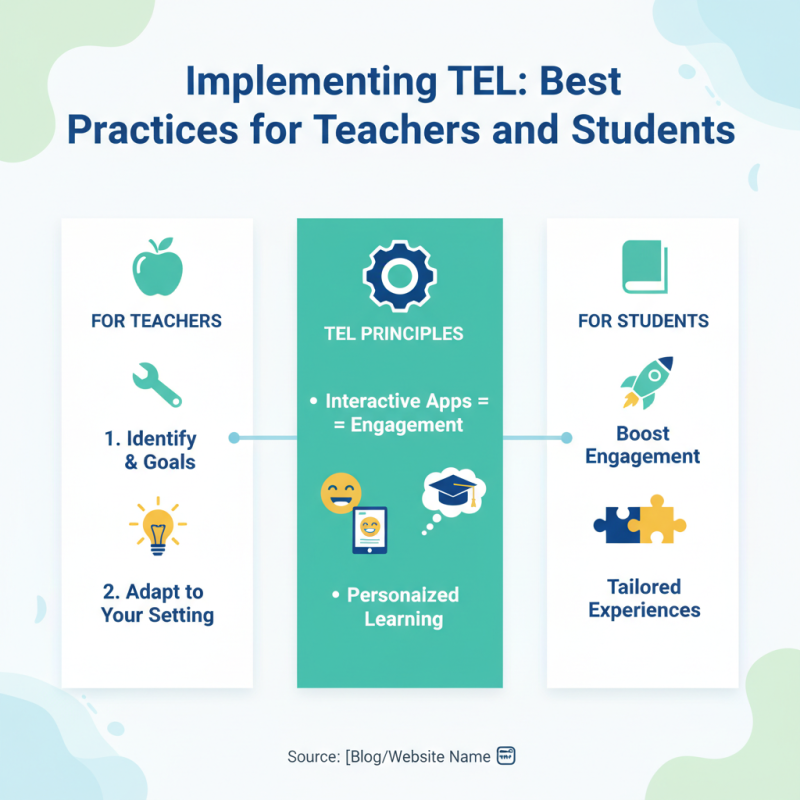
Incorporating Technology Enhanced Learning (TEL) into the classroom requires careful planning. Teachers can start by identifying the tools that fit their educational goals. For instance, using interactive applications can boost student engagement while allowing for personalized learning experiences. Remember that not every tool will work for every classroom. Adapting technology to your unique setting is crucial.
Student perspectives also matter. Gathering feedback is necessary but often overlooked. Regularly asking students what tools they find helpful can provide valuable insights. Not everything will be a hit. Some tools might complicate lessons or distract students. It’s essential to reflect on these challenges and adjust accordingly.
Collaboration between teachers and students fosters a positive learning environment. Encouraging students to collaborate on tech projects can spark their creativity. However, ensuring all students have equal access to technology can be challenging. Recognizing this barrier is vital in creating an inclusive classroom. Addressing these gaps should be part of any TEL implementation strategy.
Implementing Technology Enhanced Learning (TEL) in the classroom can significantly improve student engagement and learning outcomes. Research suggests that when technology is integrated thoughtfully, students are more likely to participate actively. However, the impact of TEL varies depending on how it is adopted.
Teachers should assess the effectiveness of technology in their lessons. Collect data through surveys or class discussions. Ask students what tools they find helpful. Monitor their engagement levels. Reflect on whether technology enhances understanding or distracts from learning objectives.
Tips for evaluating TEL include setting clear goals. Define what you want to achieve with technology. Use both quantitative and qualitative measures to gauge student responses. Be prepared for setbacks and adjust your strategies accordingly. Sometimes, the tools may not align with the content. Seek feedback regularly to refine your approach. This process will help you create a more effective learning environment.
To provide the best experiences, we use cookies to store and/or access device information. Consenting to these technologies will allow us to process data such as browsing behavior or unique IDs on this site. Not consenting or withdrawing consent, may adversely affect certain features and functions.